
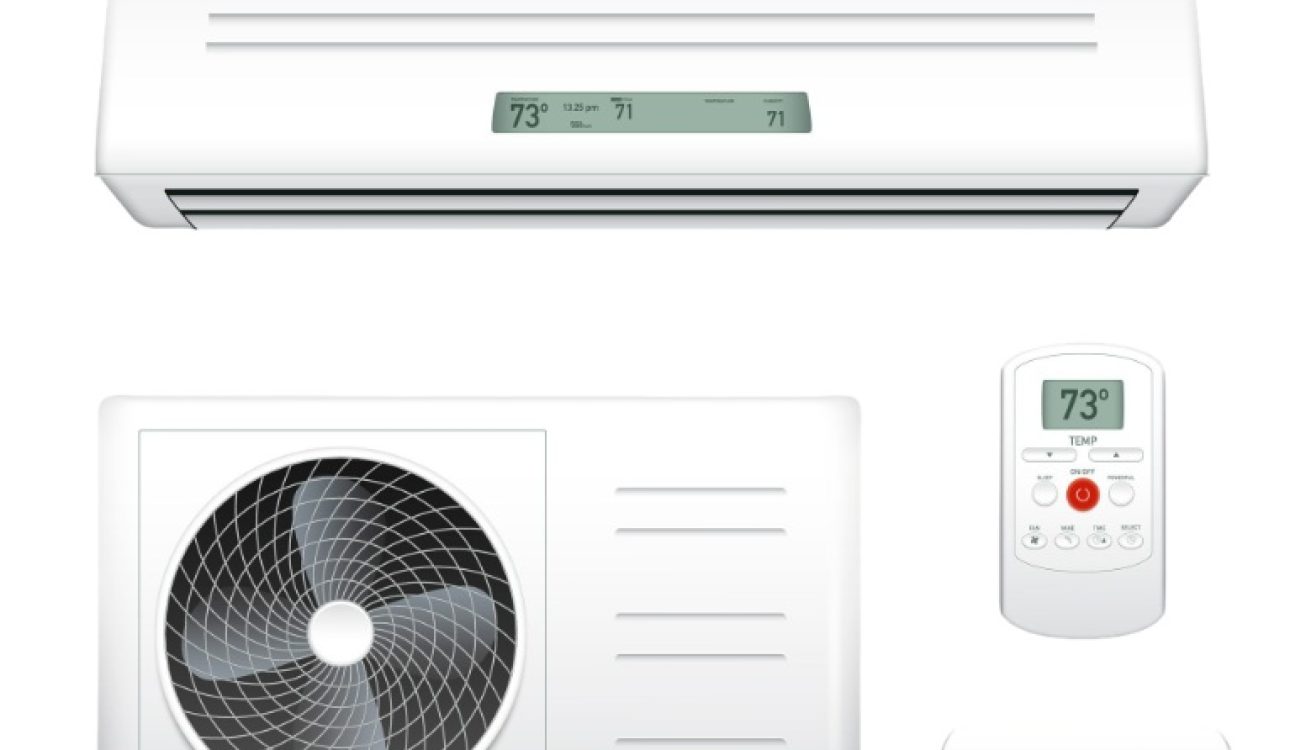

Quick Answer: Small bedrooms typically need around 2.0kW, while larger living rooms often require 3.5 to 5.0kW. Insulation, sunlight exposure, and ceiling height also affect the right size, so professional sizing is recommended.
The correct air conditioner size improves comfort, reduces energy use, and keeps running costs under control. Cooling capacity should be matched to a room’s heat load rather than floor area alone.
UK homes often have smaller rooms, different glazing, and varying insulation standards than overseas properties. So generic international sizing charts may recommend a system that is too large or too small.
Key Takeaways
- Air conditioner size is measured in kW cooling capacity, not just room square metres.
- UK homes are smaller on average than US and EU sizing charts assume, so generic BTU rules can mislead you.
- Room orientation, glazing, ceiling height, and insulation all affect the right size for your space.
What Do Air Conditioner Sizes (kW, HP or BTU) Actually Mean?
You’ll see three different measurements when shopping for an air conditioner. They’re not the same thing, even though they all relate to size.
kW is the cooling capacity, meaning how much heat the unit can remove from a room per hour. This is the number that actually tells you whether a system will cope with your space.
HP stands for horsepower and refers to the compressor motor’s power rating. It gives a rough indication of unit size but doesn’t directly measure how well the system will cool a room.
BTU (British Thermal Units) is another way of expressing cooling output. It’s older, mostly used in the US, and simply converts to kW at a fixed ratio.
None of these figures measures electricity use. A higher kW unit doesn’t automatically mean higher bills. What matters is choosing the right capacity so the system runs efficiently and keeps your room comfortable without wasting energy.
What Do Air Conditioner Sizes (kW, HP or BTU) Actually Mean?
When you get a quote from a UK installer, they’ll almost always talk in kW. There’s a good reason for that.
kW measures cooling capacity directly. It accounts for everything that affects how hard a system has to work, including room size, ceiling height, glazing, insulation, and heat gains from people and appliances. That makes it far more useful than HP or BTU when specifying a system for a real room in a real UK home.
Some manufacturers still list BTU or HP on their spec sheets, and those figures aren’t wrong. But professional installers base their recommendations on kW calculations because that’s what UK industry practice uses, and it produces more accurate results.
If a quote gives you a BTU figure and nothing else, it’s worth asking for the kW equivalent so you can compare properly.
Air Conditioner Size Chart by Room Size
Every room has a different cooling requirement, but floor area offers a reliable starting point. Matching room size with the right cooling capacity helps narrow down the most suitable air conditioner.
| Room Size | Recommended Cooling Capacity (kW) | Approximate HP |
|---|---|---|
| Up to 15m² | 2.0kW | 0.7HP |
| 15–20m² | 2.5kW | 1HP |
| 20–28m² | 3.5kW | 1.5HP |
| 28–40m² | 5.0kW | 2HP |
| 40–55m² | 7.1kW | 3HP |
These figures assume a standard UK ceiling height and average insulation. If your room stays outside those norms, the right size may be higher than what this chart suggests.
How to Choose the Right Air Conditioner Size
Floor area provides a useful starting point, but it does not determine the correct air conditioner size on its own.
Accurate sizing is based on cooling load calculations that account for factors such as glazing, insulation, occupancy, and internal heat gains. CIBSE Guide A: Environmental Design provides recognised UK guidance for these calculations.