0% VAT On All Domestic Air Conditioning and Heat Source Heat Pumps. Contact Us Now >>


Air conditioning is essential in hotels for guest comfort, energy efficiency and indoor air quality. With a mix of guest rooms and shared spaces, systems must be designed to deliver reliable, efficient performance throughout the building.
Choosing the right air conditioner for hotel rooms requires understanding both guest comfort and operational efficiency. The system should provide consistent temperature control across the room, operate quietly and maintain good air quality. It must suit the room size and layout, whether a single guest room or a suite, and allow for simple individual controls for guests. Reliable, easy-to-maintain systems reduce downtime and long-term costs. Modern energy-efficient units help hotels manage running expenses without compromising comfort. Selecting the right type, such as wall-mounted, ceiling cassette or VRF, ensures optimal performance and guest satisfaction.
Hotels operate 24/7, so air conditioning must run efficiently. Modern systems help manage energy use across occupied and unoccupied areas.
Different hotel areas need different temperatures. Zoned systems allow guest rooms, public spaces and staff areas to be controlled separately.
Quiet operation is essential in hotels. Low-noise systems help maintain comfortable conditions without disturbing guests.
Consistent air quality is important throughout hotels. Air conditioning helps manage filtration, airflow and humidity levels.
Hotel systems operate under constant demand. Reliable equipment helps reduce faults and unexpected downtime.
Regular servicing supports consistent performance and helps extend system lifespan.
Ideal for multi-floor hotels. These systems provide simultaneous heating and cooling, offer zoned control, and are energy-efficient.
Suitable for mid-sized hotels, delivering quiet and unobtrusive airflow across multiple rooms. Compatible with building management systems.
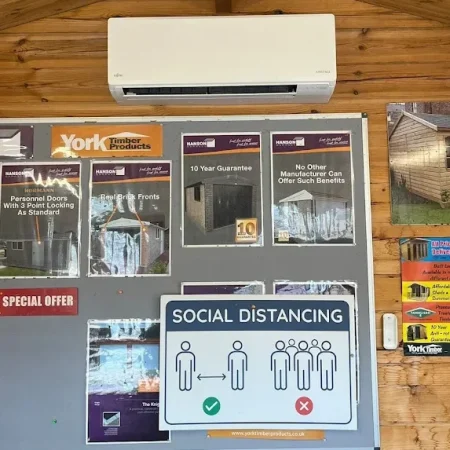
Cost-effective solution for individual guest rooms or smaller boutique hotels. Easy to install and maintain.
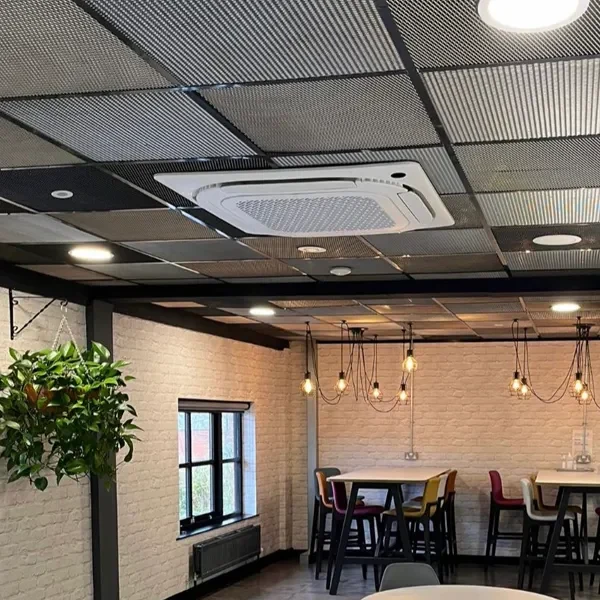
Designed for lobbies, restaurants, and conference areas, providing multi-directional airflow while remaining discreet.
Centralised systems for large hotels and resorts. Highly efficient and compatible with building management systems.
Effective hotel air conditioning requires careful planning to ensure comfort, efficiency, and air quality across all areas. The following outlines the key stages of installation and ongoing maintenance.
Customer satisfaction is at the forefront of everything we do and we are proud of the air conditioning services we provide across Yorkshire and the UK
Maintain guest comfort throughout your hotel with reliable air conditioning installation, servicing and maintenance.
If you’re considering air conditioning for a hotel or hospitality space, speaking with our team early can help you choose the right system and avoid unnecessary costs.
Variable Refrigerant Flow (VRF) systems allow simultaneous heating and cooling in different zones and precise temperature control in guest rooms and common areas. They also adjust energy use based on demand, which can cut energy waste and help reduce utility costs.
Heating, ventilation and air conditioning (HVAC) systems usually account for 40% or more of a hotel’s total energy consumption. Because of this, efficient system selection and controls are essential for managing operational costs.
Commercial hotel systems should be inspected and serviced at least twice a year, ideally before the main summer and winter seasons. Regular maintenance helps maintain performance, discover issues early and keep air quality high.
Routine maintenance, including filter cleaning or replacement, checking refrigerant levels and inspecting components, helps systems operate efficiently and maintain good air quality. Neglected systems use more energy and are more likely to cause guest discomfort or breakdowns.
Yes. Modern systems include filters and fresh‑air handling to reduce dust, pollen and other particles. Good humidity control also supports a healthier indoor environment, which can enhance guest comfort.
Hotel guest rooms are commonly set around 22–24°C for comfort, with relative humidity between 40% and 60% to prevent mould growth and maintain pleasant indoor conditions.
Higher‑end hotel HVAC systems are designed to run quietly, particularly VRF and central ducted systems. Quiet operation is important to avoid disturbances, especially in bedrooms and suites. Guest comfort surveys often list noise levels as a key component of satisfaction.