


Buying air conditioning without understanding what each room needs is an easy way to waste money. Bedrooms call for near-silent running, kitchens need extra power to handle cooking heat, living rooms need wide airflow, and lofts deal with serious roof heat. This guide shows what actually works in UK homes, room by room, with realistic sizes, noise levels and costs.
Key Takeaways
- Wall-mounted split systems are the UK standard for single rooms, offering 2.5–7 kW capacity with quiet operation and energy efficiency ratings of A++ or higher.
- Bedroom units must prioritise noise levels below 25 dB, while living rooms need higher capacity (4.5–7 kW) and kitchens require 20–30% extra cooling power because of appliance heat.
- Multi-split systems (£4,500–£8,000) suit 3–4 rooms, whilst ducted systems (£8,000–£15,000+) provide concealed whole-house cooling ideal for new builds and renovations.
How Air Conditioning Works in UK Homes
Air conditioning removes heat from indoor air through a refrigeration cycle, with the indoor unit absorbing warmth and the outdoor unit releasing it outside. Different rooms present different challenges.
Bedrooms need quiet cooling for sleep, kitchens fight heat from ovens that can add 2–3 kW of thermal load, and loft rooms battle roof heat that makes them 8–10°C warmer than ground floors. Victorian terraces lose and gain heat faster than modern insulated properties, whilst large south-facing windows create more solar heat gain than smaller north-facing ones.
Why Each Room Needs Different Specs
A back bedroom holds heat very differently to a sunny kitchen or a loft under tiles, and noise that feels fine in a lounge becomes a problem where you sleep.
Professional heat load calculations factor in room size, window direction, insulation quality, ceiling height, occupancy and heat-generating equipment.
| Room Type | Recommended Capacity | Suggested Unit Type |
|---|---|---|
| Bedroom | 2.5–3.5 kW | Wall split system |
| Living room | Around 5 kW | High-airflow wall split |
| Home office | Around 2.5 kW | Inverter wall unit |
| Kitchen | Around 4 kW | Wall split with higher output |
| Loft room | Around 4 kW | Compact or cassette unit |
| Whole house | Around 12 kW | Ducted or multi-split system |
Up next, you’ll see how all of this plays out in each room, with clear, practical guidance you can actually use.
Best Air Conditioning Units for Bedrooms
- Recommended System: Bedrooms suit wall-mounted split systems in the 2.5–3.5 kW range because quiet, steady cooling matters far more here than outright power.
- Why it suits: Once noise pushes past 30 dB or the room drifts warmer than about 20°C, sleep quality drops quickly, so units rated around 19–25 dB make a real difference overnight.
- Key Consideration: A bedroom of 10–15 m² usually sits comfortably on 2.5 kW, while larger rooms closer to 20 m² need nearer 3.5 kW, with a bit extra allowed for strong sun, draughts, or weaker insulation. Positioning also plays its part, with units best mounted fairly high and opposite the bed to avoid cold air blowing directly while you sleep.
Top Models for Living Rooms
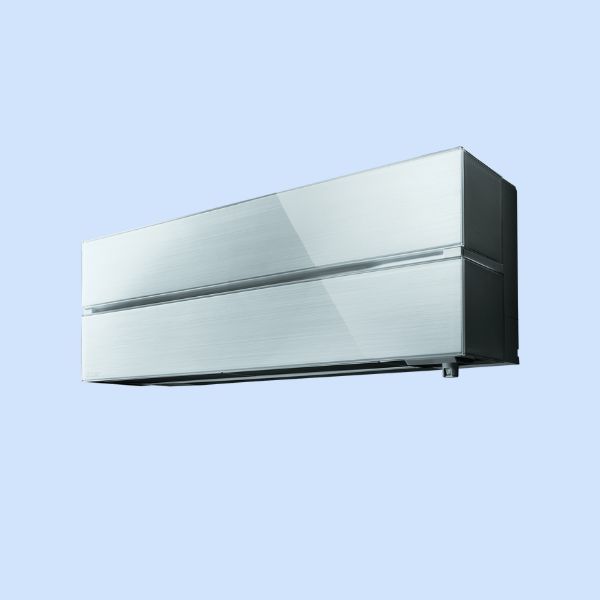
Mitsubishi Electric MSZ-LN25: Best for Ultra-Quiet Sleep
The Mitsubishi MSZ-LN25 runs at a hushed 19 dB and gives 2.5 kW, spot on for 10–15 m² bedrooms. It filters dust and allergens, senses people in the room, and quietens itself overnight.
- Price: £2,200 to £2,800 installed
- Best for: Light sleepers and master bedrooms requiring whisper-quiet operation.
- Pros: Industry-leading 19 dB noise level, precise temperature control, 5-year warranty.
- Cons: Premium pricing, limited availability in some regions.
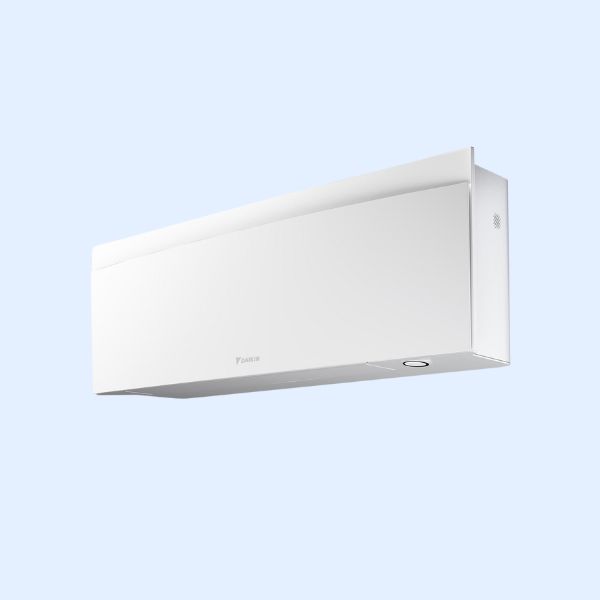
Daikin Emura FTXJ25: Best for Design and Performance
The Daikin Emura FTXJ25 looks sharp with its glass finish, delivers 2.5 kW quietly at 21–23 dB, and saves energy by easing off when the room's empty.
- Price: £2,000 to £2,600 installed
- Best for: Homeowners wanting premium aesthetics with excellent efficiency.
- Pros: Sleek glass panel design, A+++ energy rating, dedicated silent mode.
- Cons: Higher initial cost, requires professional annual servicing.
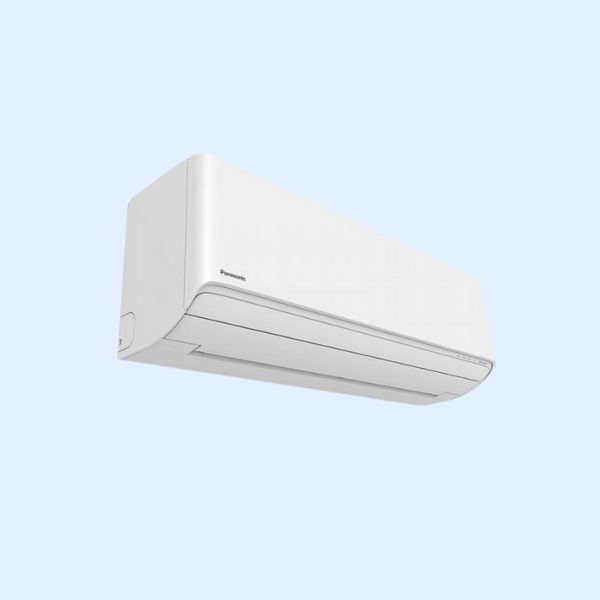
Panasonic Etherea CS-Z25: Best for Air Quality
The Panasonic Etherea CS-Z25 gives 2.5 kW of cooling, keeps things fresh with nanoe-X air cleaning, runs quietly at 22 dB, and adjusts itself based on how the room's being used.
- Price: £1,900 to £2,500 installed
- Best for: Allergy sufferers and families prioritising air purification.
- Pros: nanoe-X air purification technology, 22 dB noise level, excellent filtration.
- Cons: Solar integration requires additional purchase.
Best Air Conditioning Units for Living Rooms and Open-Plan Areas
- Recommended System Type: Living rooms and open-plan spaces need higher-capacity systems, usually in the 4.5–7 kW range, simply because they’re bigger, busier rooms with more glass, more people and more heat from lights and electronics.
- Why It Suits: Wall-mounted splits work well for most setups, while multi-split systems suit larger layouts where different areas need their own control. Airflow is just as important as output, so wide swing vanes help push cool air evenly across the space rather than dumping it in one spot.
- Key Considerations: High ceilings, large windows and open layouts all push cooling demand up, so sizing properly makes the difference between a room that just feels cooler and one that’s genuinely comfortable.
Top Models for Living Rooms
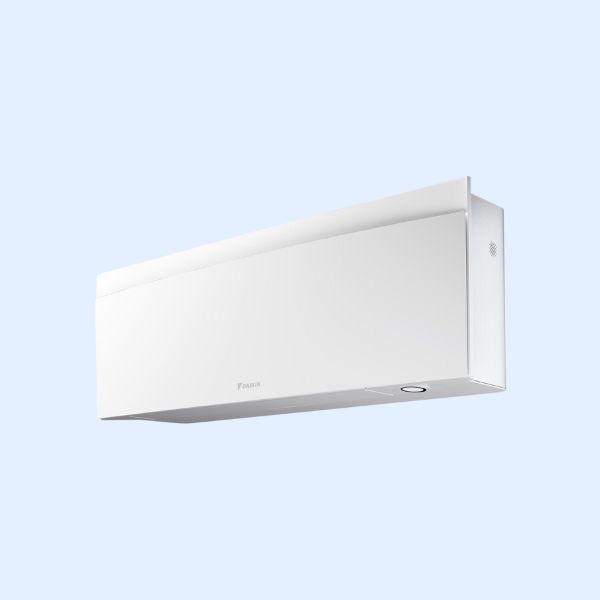
Daikin Emura FTXJ50: Best for Large Living Spaces
The Daikin Emura FTXJ50 puts out 5 kW of cooling, looks smart with its glass front in white, silver or blackwood, and spreads cool air evenly across wide rooms.
- Price: £2,800 to £3,500 installed
- Best for: Living rooms 25–35 m² requiring premium aesthetics and high capacity.
- Pros: 5 kW output, A+++ efficiency, elegant glass panel design.
- Cons: Premium price point, professional installation essential.

Mitsubishi Electric MSZ-EF50: Best for Smart Control
The Mitsubishi MSZ-EF50 delivers 5 kW and uses its 3D i-see sensors to track where people are and how warm the floor is, then spreads air evenly across open-plan spaces.
- Price: £2,600 to £3,300 installed
- Best for: Tech-savvy homeowners wanting advanced smart features.
- Pros: 3D i-see sensor, comprehensive app control, proven reliability.
- Cons: Learning curve for advanced features, requires strong Wi-Fi signal.
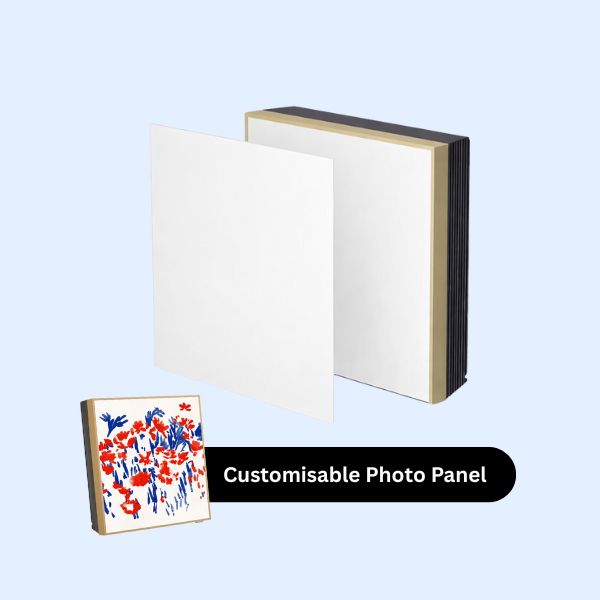
LG Artcool Gallery AU09: Best for Customizable Design
The LG Artcool Gallery AU09 is a popular choice in these spaces, as it offers 5 kW of cooling while doubling as a feature piece, with the front panel displaying photos or artwork instead of a plain grille.
- Price: £2,400 to £3,200 installed
- Best for: Homeowners wanting art-like aesthetics with excellent performance.
- Pros: Customizable front panel, dual inverter technology, 5 kW output.
- Cons: Custom panels cost extra, limited availability of designs.
For larger open-plan layouts, a multi-split setup is often the smarter route, using one outdoor unit to run two or three indoor units so the living, dining and kitchen areas can be controlled separately, typically costing around £4,500 to £6,500 installed.
Best Air Conditioning Units for Home Offices
- Recommended System Type: Home offices suit compact wall-mounted split systems in the 2.5–3.5 kW range, as they’re built for steady, all-day use rather than short bursts of cooling.
- Why It Suits: Quiet running is especially important here, with units around 22–28 dB keeping calls clear and distractions to a minimum. Most rooms fall comfortably within this capacity, even allowing for heat from computers, screens and lighting.
- Key Considerations: Inverter-driven systems help hold a stable temperature throughout the day without pushing running costs up, while reverse-cycle models also give a useful and cheaper way to heat the room through winter.
Top Models for Home Offices
Panasonic Etherea CS-Z25: Best for Professional Environments
The Panasonic Etherea CS-Z25 delivers 2.5 kW at just 22 dB, keeping things quiet for calls, while cleaning the air and adjusting itself as the room’s used.
- Price: £1,900 to £2,500 installed
- Best for: Home offices requiring ultra-quiet operation and air purification.
- Pros: 22 dB noise level, nanoe-X air purification, A+++ efficiency.
- Cons: Higher initial investment, annual professional servicing recommended.
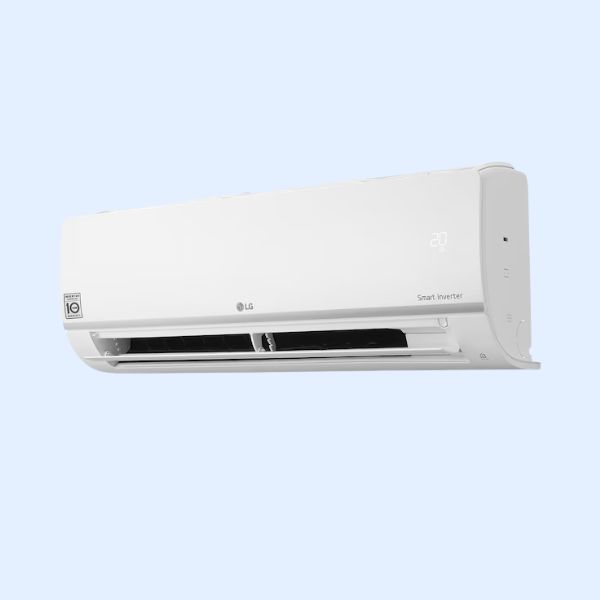
LG Standard Plus PM09: Best Budget Home Office Unit
The LG Standard Plus PM09 gives 2.5 kW of cooling, runs quietly at 24 dB for calls, keeps temperatures steady, and looks after itself with auto-clean.
- Price: £1,600 to £2,200 installed
- Best for: Cost-conscious remote workers wanting reliable cooling.
- Pros: Affordable pricing, 24 dB noise, dual inverter efficiency.
- Cons: Basic smart features, standard filtration only.
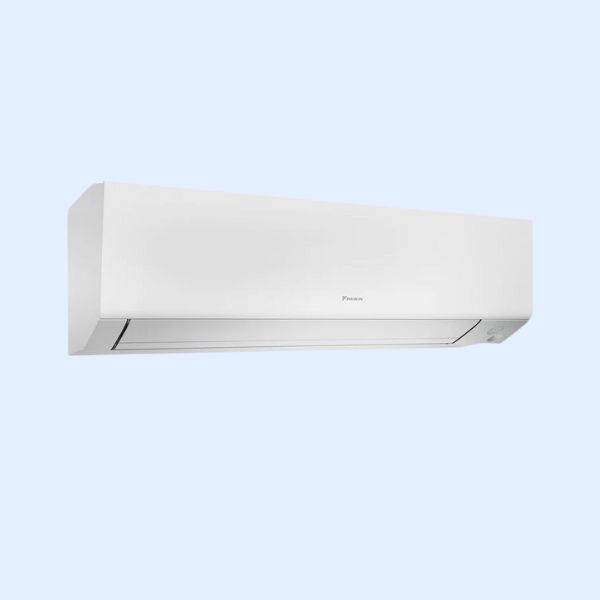
Daikin Perfera FTXM25: Best for All-Day Efficiency
The Daikin Perfera FTXM25 delivers 2.5 kW with low running costs, stays quiet at 26 dB, and directs air away from desks to avoid drafts.
- Price: £1,700 to £2,300 installed
- Best for: Home offices operating 8+ hours daily, requiring consistent performance.
- Pros: Excellent energy efficiency, 26 dB noise, reverse-cycle heating.
- Cons: Mid-range pricing, fewer premium features than Etherea.
Best Air Conditioning Units for Kitchens
- Recommended System Type: Kitchens suit higher-capacity wall-mounted systems, usually in the 3.5–5 kW range, as cooking appliances release far more heat than most other rooms. Even kitchens the same size as a bedroom often need noticeably more cooling to stay comfortable when ovens and hobs are in use.
- Why It Suits: Placement matters just as much as output, with units best fitted well away from cookers and mounted fairly high to avoid steam and grease causing problems.
- Key Considerations: Air conditioning also works alongside extractor fans rather than replacing them, and filters need cleaning more often here due to cooking fumes and airborne grease.
Top Models for Kitchens
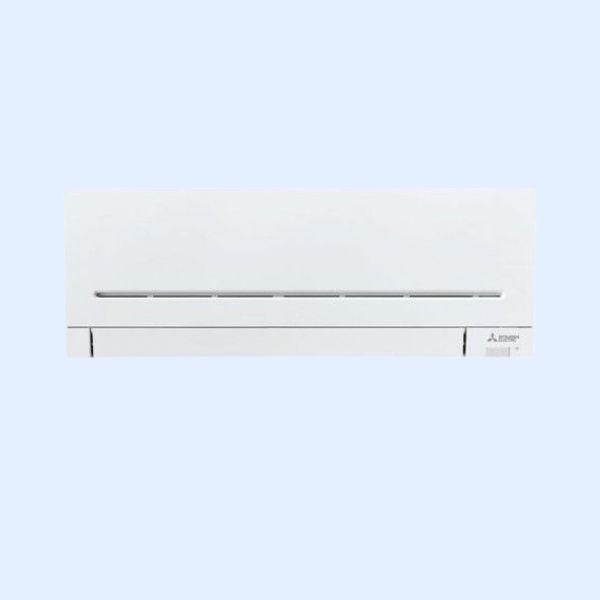
Mitsubishi Electric MSZ-AP35: Best for Kitchen Heat Loads
The Mitsubishi MSZ-AP35 delivers 3.5 kW for busy kitchens, clears grease and smells from the air, and should be fitted well away from hobs and ovens.
- Price: £1,900 to £2,500 installed
- Best for: Kitchens 12–18 m² with high appliance heat output.
- Pros: 3.5 kW capacity, robust filtration, proven durability.
- Cons: Requires careful placement away from cooking zones.
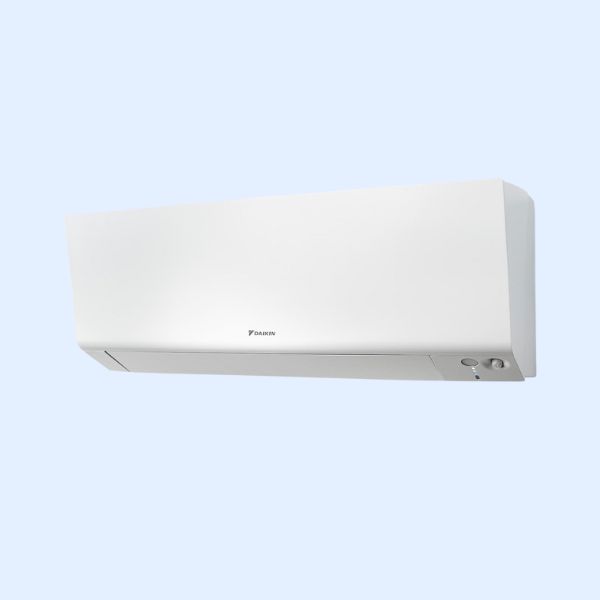
Daikin Perfera FTXM42: Best for Large Kitchen-Diners
The Daikin Perfera FTXM42 puts out 4.2 kW for larger kitchen-diners, cuts through cooking smells, and spreads cool air evenly across open-plan spaces.
- Price: £2,200 to £2,800 installed
- Best for: Open-plan kitchen-dining areas 18–25 m².
- Pros: 4.2 kW output, titanium apatite filtration, excellent efficiency.
- Cons: Higher capacity increases running costs, professional sizing essential.
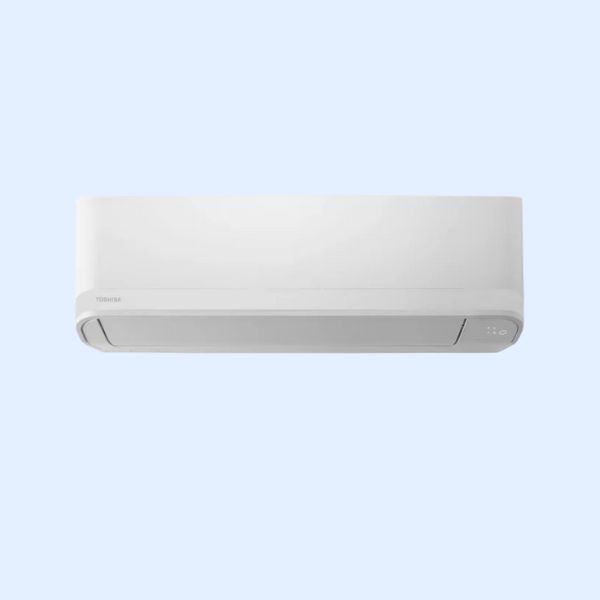
Toshiba Seiya RAS-B13: Best Value for Kitchens
The Toshiba Seiya RAS-B13 gives 3.5 kW at a sensible price, keeps itself clean to avoid mould, and works best fitted on a wall away from the cooking area.
- Price: £1,700 to £2,300 installed
- Best for: Budget-conscious kitchen cooling for 10–15 m² spaces.
- Pros: 3.5 kW capacity, self-cleaning function, affordable pricing.
- Cons: Basic features, standard 3-year warranty only.
Best Air Conditioning Units for Loft Rooms and Conversions
- Recommended System Type: Loft rooms suit wall-mounted or low-profile cassette systems in the 3.5–5 kW range, as they tend to trap heat from the roof and run noticeably warmer than the rest of the house, a problem backed up by research on overheating risk in UK loft conversions.
- Why It Suits: Cooling demands are higher here because heat builds up under the tiles, while sloping ceilings often limit where standard units can go, making compact or ceiling-mounted options far more practical.
- Key Considerations: Insulation plays a big part in how hard the system has to work, as poorly insulated roofs quickly push running costs up, and longer pipe runs are sometimes needed where access is awkward.
Top Models for Loft Rooms
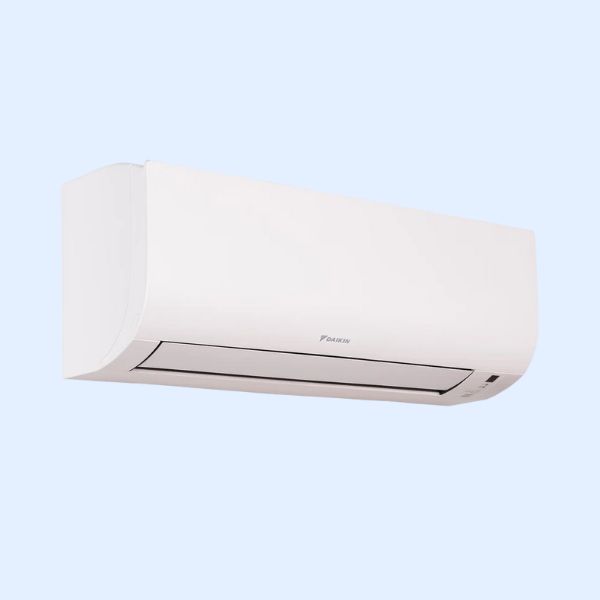
Daikin Comfora FTXP35: Best for Standard Loft Bedrooms
The Daikin Comfora FTXP35 delivers 3.5 kW in a slim unit for tight loft walls, runs quietly at night, and needs little space outside.
- Price: £2,000 to £2,600 installed
- Best for: Loft bedrooms 10–15 m² with moderate insulation.
- Pros: Compact 3.5 kW capacity, streamlined design, quiet operation.
- Cons: Requires good insulation to perform optimally.
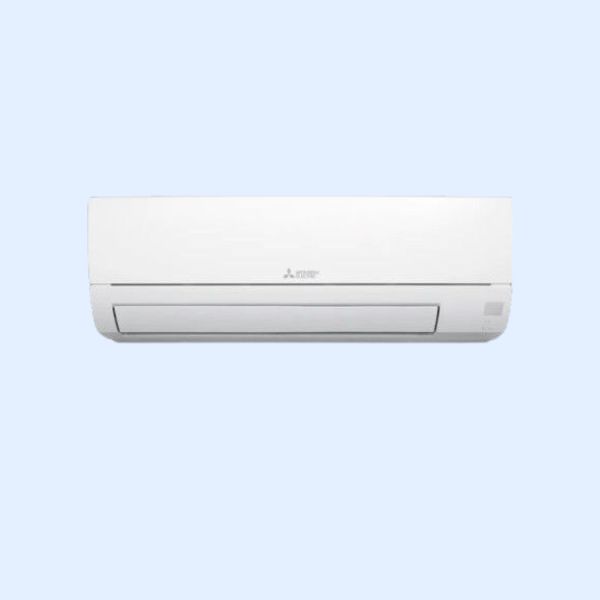
Mitsubishi Electric MSZ-HR35: Best for Poor Insulation
The Mitsubishi MSZ-HR35 gives 3.5 kW for tough loft setups, keeps its output steady in direct sun, and also provides reliable heating through the winter.
- Price: £2,100 to £2,700 installed
- Best for: Loft rooms with inadequate insulation and high heat gain.
- Pros: Robust 3.5 kW output, proven reliability, handles extreme conditions.
- Cons: Higher running costs in poorly insulated spaces.
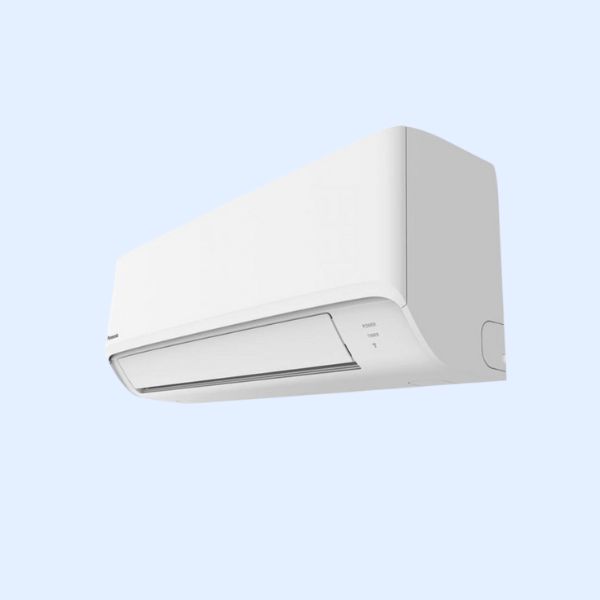
Panasonic CS-TZ42: Best for Large Loft Rooms
Suitable for loft rooms experiencing temperature gains 8–10°C above lower floors. nanoe-X air purification improves air quality in confined loft spaces.
- Price: £2,300 to £2,900 installed
- Best for: Master loft bedrooms 15–20 m² with Velux windows.
- Pros: 4.2 kW capacity handles excessive heat, excellent efficiency.
- Cons: Premium pricing, requires substantial electrical capacity.
Best Air Conditioning Units for Whole-House Solutions
- Recommended System Type: Whole-house cooling is best handled through either a multi-split system or a fully ducted setup, depending on how the home is laid out and how discreet you want the installation to be.
- Why It Suits: Multi-splits allow several rooms to run from one outdoor unit while keeping independent temperature control in each space, which helps keep the outside of the property tidy.Ducted systems take this a step further by hiding everything in the ceiling, leaving only subtle vents visible throughout the house.
- Key Considerations: Across both approaches, getting the overall capacity right is crucial, as the system has to cope with multiple rooms running at once. Thoughtful zoning based on how the home is used makes a noticeable difference to comfort and running costs, while careful design and installation are essential to avoid hot spots, cold spots and wasted energy.
Top Multi-Split Systems
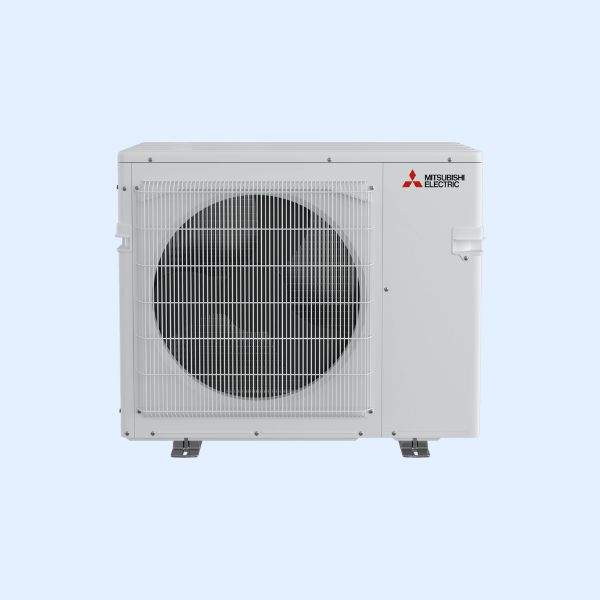
Mitsubishi Electric MXZ-Series: Best Overall Multi-Split
Allows 2–5 indoor units connected to one outdoor compressor. Mix wall-mounted, cassette, and floor-standing units across different rooms. Each zone operates independently with separate temperature control.
- Price: £4,500 to £7,000 installed (3–4 rooms)
- Best for: Homes cooling 3–5 specific rooms with independent control.
- Pros: Mix-and-match indoor unit capacities, proven reliability, 5-year warranty.
- Cons: Professional design essential, higher upfront cost than single units.
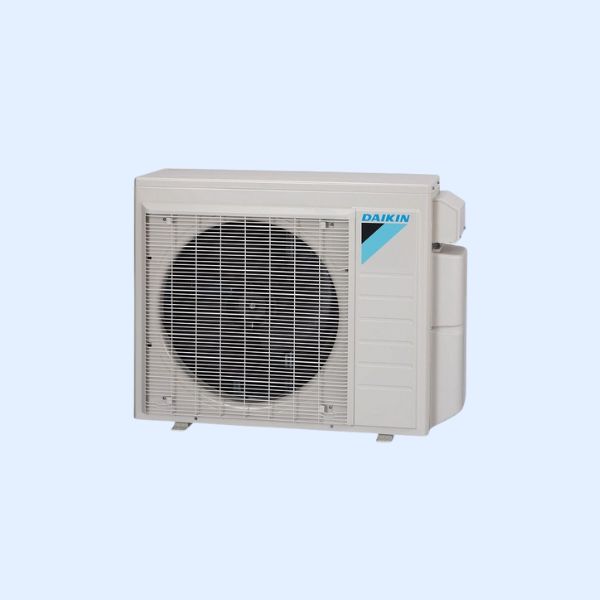
Daikin MXS-Series: Best for Energy Efficiency
The Daikin MXS-Series provides 2–4 indoor units with A++ efficiency ratings. Intelligent control optimises energy distribution across zones. Compatible with Daikin's premium Emura and Designer indoor units for aesthetic integration.
- Price: £5,000 to £8,000 installed (3–4 rooms)
- Best for: Homeowners prioritising A++ efficiency across multiple zones.
- Pros: Robust 3.5 kW output, proven reliability, handles extreme conditions.
- Cons: Higher running costs in poorly insulated spaces.
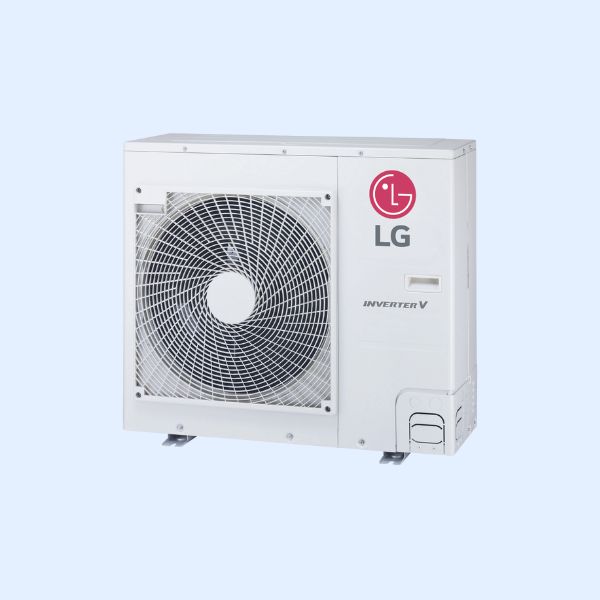
LG Multi F: Best Value Multi-Split
The LG Multi F system serves up to 5 indoor units from one outdoor compressor. Dual inverter technology delivers energy savings across all zones. Simple smartphone app control for centralised management.
- Price: £4,800 to £7,500 installed (3–5 rooms)
- Best for: Budget-conscious whole-house cooling with up to 5 zones.
- Pros: Affordable pricing, dual inverter technology, up to 5 indoor units.
- Cons: Fewer premium features than Mitsubishi or Daikin competitors.
Top Ducted Systems
Daikin Ducted System: Best Premium Ducted Solution
The Daikin Ducted System provides whole-house cooling through concealed ceiling ductwork. Only discrete vents visible in each room. Zoned control with motorised dampers allows independent temperature settings per room.
- Price: £10,000 to £15,000 installed
- Best for: New builds and major renovations requiring invisible whole-house cooling.
- Pros: Completely concealed system, whole-house coverage, adds property value.
- Cons: High initial cost, requires substantial ceiling void space.
Mitsubishi Electric PEA-Series: Best for Compact Ducted
The Mitsubishi Electric PEA-Series offers slim-line fan coil units fitting ceiling voids from 200mm. Whisper-quiet central operation with comprehensive zoning. MELCloud app provides complete system management.
- Price: £11,000 to £16,000 installed
- Best for: Homes with limited ceiling void requiring slim-line ducted units.
- Pros: Compact fan coil units, quiet operation, premium control systems.
- Cons: Premium pricing, complex installation requirements.
Toshiba Ducted Solution: Best Value Ducted System
The Toshiba Ducted Solution delivers whole-house cooling at competitive pricing. Suitable for medium to large homes with standard ceiling void depth. Simple wired controller for centralized temperature management.
- Price: £9,000 to £14,000 installed
- Best for: Cost-conscious whole-house ducted cooling.
- Pros: Reliable performance, comprehensive coverage, competitive pricing.
- Cons: Fewer smart features than premium competitors.
You’ve now seen how cooling needs shift from room to room, and why choosing properly is about matching the system to the space rather than chasing specs alone. It’s also worth keeping UK energy standards in mind, as they shape what’s considered efficient, compliant and sensible to run long-term.
Air Conditioning Unit Comparison Table by Room
| Room Type | System Type | Capacity | Noise Level | Key Brands | Price Range (Installed) | Best For |
|---|---|---|---|---|---|---|
| Bedroom (Small) | Wall-mounted split | 2.5 kW | 19–25 dB | Mitsubishi MSZ-LN, Daikin Emura, Panasonic Etherea | £1,900–£2,800 | Sleep quality, quiet operation |
| Bedroom (Master) | Wall-mounted split | 3.5 kW | 19–25 dB | Mitsubishi MSZ-LN, Daikin Emura | £2,200–£3,000 | Larger rooms, dual occupancy |
| Living Room | Wall-mounted split | 4.5–7 kW | 26–32 dB | Daikin Emura, LG Artcool, Mitsubishi EF-series | £2,400–£3,500 | High capacity, wide airflow |
| Home Office | Wall-mounted split | 2.5–3.5 kW | 22–28 dB | Panasonic Etherea, LG Standard Plus | £1,600–£2,500 | All-day efficiency, low noise |
| Kitchen | Wall-mounted split | 3.5–5 kW | 28–35 dB | Mitsubishi AP-series, Daikin Perfera | £1,700–£2,800 | Heat-resistant placement, extra capacity |
| Loft Room | Wall-mounted split or cassette | 3.5–5 kW | 24–30 dB | Daikin Comfora, Mitsubishi HR-series | £2,000–£2,900 | Roof heat gain, compact design |
| Multi-Room (3–4) | Multi-split system | 7–12 kW total | Varies by unit | Mitsubishi MXZ, Daikin MXS, LG Multi F | £4,500–£8,000 | Independent control, one outdoor unit |
| Whole House | Ducted system | 10–16 kW | 30–40 dB (central) | Daikin SkyAir, Mitsubishi PEA, Toshiba | £8,000–£15,000+ | Invisible system, complete coverage |
These figures represent typical installations for UK properties without exceptional insulation issues or architectural constraints. Your own property might need adjustments based on glazing, orientation, and building age.
Air Conditioning Units Professional Installation and UK Compliance
Air conditioning in UK homes needs to be both correctly specified and properly installed in line with national regulations.
Domestic systems fall under Building Regulations, including Part L for energy efficiency and Part P for electrical safety, which means installations must meet specific standards rather than simply being fitted and switched on.
Refrigerant handling is also tightly controlled under F-Gas rules, making DIY installation illegal and placing responsibility firmly with qualified engineers.
A proper installation starts with a professional site survey, which is where many problems are either prevented or created. This is what allows:
Heat gain to be calculated accurately so systems aren’t undersized or oversized
Electrical capacity to be checked before work begins
Indoor and outdoor units to be positioned for both performance and appearance
It also ensures condensate drainage and pipe runs are planned correctly, avoiding leaks, noise issues or future faults.
In most residential cases, planning permission isn’t needed, although properties in conservation areas can face restrictions on where external units can be placed.
Because of this, who carries out the work matters just as much as what equipment is chosen. Engineers should be F-Gas certified and registered with bodies such as NICEIC or NAPIT, protecting both safety and warranties while ensuring the system complies with UK law.
Once installed, ongoing care becomes part of keeping that performance intact, with annual servicing and regular filter cleaning helping systems remain efficient, reliable and cheaper to run over time.
This is exactly why our air conditioning services include professional site surveys and full Building Regulations compliance as standard, ensuring every installation meets legal requirements while delivering the comfort and performance your home needs.
Conclusion
The right air conditioning setup comes down to matching each room’s needs with the correct system size and type. Professional installation by certified engineers ensures everything meets UK regulations (and also operates efficiently and reliably).
Get in touch for a free quote, and we’ll assess your home properly and recommend systems that suit both your space and budget.
FAQs
Do I need planning permission to install air conditioning in my UK home?
Planning permission is not required for standard residential installations in England and Wales. Conservation areas and listed buildings have restrictions on external unit placement and may require consent before installation.
How much does it cost to run air conditioning in a UK home?
A 2.5 kW bedroom unit costs roughly £1.44–£2.00 daily for 8 hours of operation. Annual summer running costs (90 days) sit at £130–£180 based on 24p per kWh electricity rates.
What size air conditioner do I need for my bedroom?
Small bedrooms (10–15 m²) need 2.5 kW capacity. Master bedrooms (15–20 m²) require 3.5 kW. Add 0.5 kW for large south-facing windows or poor insulation in period properties.
Are air conditioning units noisy in bedrooms?
Modern wall-mounted splits operate at 19–25 dB, quieter than a whisper. Mitsubishi MSZ-LN series runs at just 19 dB, whilst Daikin Emura models offer 21–23 dB with silent mode for undisturbed sleep.
Can air conditioning units heat my home in winter?
Reverse-cycle air conditioning provides efficient heating at 60–70% lower running costs than electric panel heaters. Heat pumps work effectively down to outdoor temperatures of -15°C in modern systems.